

From Sketch To Runway: A Behind-The-Scenes Look At The Fashion Design Process
The creative process of fashion design has long been a source of inspiration and admiration. From the initial concept to the final product, each stage brings something new and exciting to the industry.
This article will explore the journey from sketch to runway, providing a behind-the-scenes look at the fashion design process.
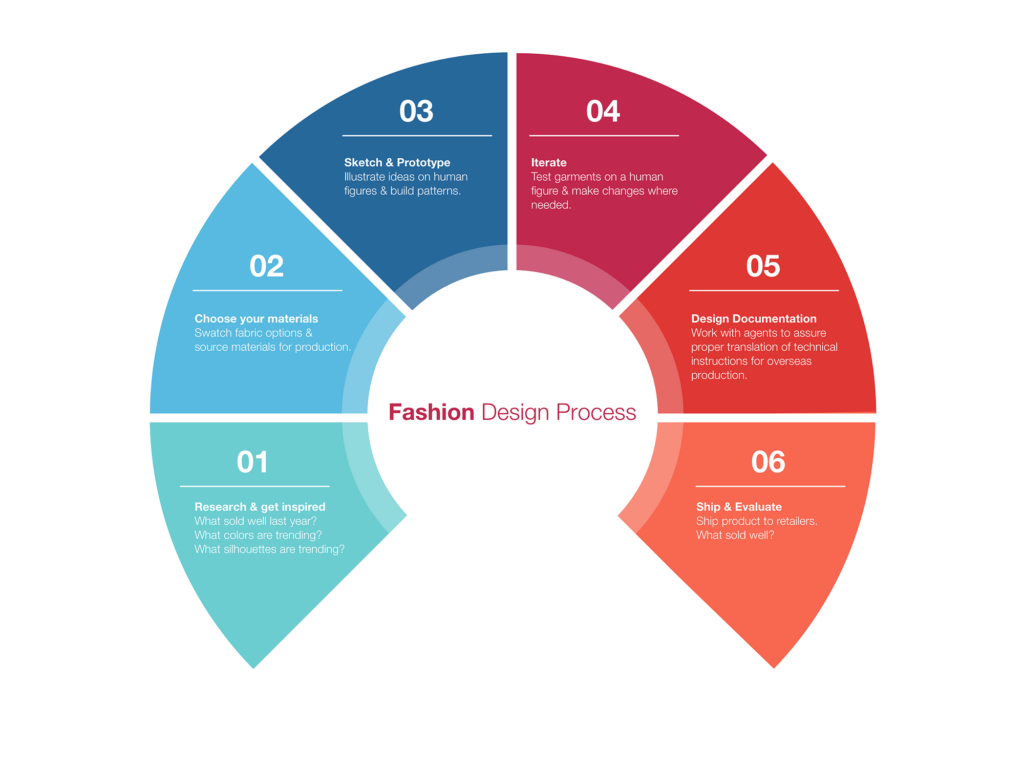
Through ideation and sketching, material selection, pattern making, sample making, fit testing and refinement, and runway production we will gain insight into what it takes to create a successful fashion design.
By understanding this intricate process, we can appreciate even more deeply how designers bring ideas to life through their creative visions.
What’s important to note:
- Ideation and sketching are crucial in the fashion design process as they help develop concepts and create visually appealing designs.
- Material selection is an important consideration, taking into account factors such as purpose, function, durability, style, texture, and color coordination.
- Pattern making requires precision, creativity, problem-solving, and attention to detail, as it involves creating the foundation shapes and forms of the garments.
- Runway shows are essential for fashion designers as they provide a platform to showcase their creativity, attract attention, connect with potential buyers and sponsors, and establish their brand and reputation in the industry.
Ideation and Sketching
Ideation and sketching are integral components of the fashion design process, allowing designers to develop their concepts into tangible creations. The first step in this process is exploring color; designers must consider both the colors that they are attracted to as well as what will be most aesthetically pleasing for their intended audience. Additionally, designers must also consider which colors will coordinate with one another when creating a look.
After selecting color palettes, designers can begin designing silhouettes from the sketches they created. This involves experimenting with different shapes and proportions to create an overall look that is balanced and visually appealing. Moreover, it also requires considering elements such as texture, fabric weight, fit, and other details that become visible when wearing the garment.
With these considerations in mind, designers can refine their sketches until they have a cohesive collection ready for material selection. Through this creative exploration of shape and color, fashion designers bring their ideas to life through artful craftsmanship and innovative designs.
Material Selection
Selecting the right materials is essential for a successful fashion garment, akin to finding the perfect piece of a puzzle. From fabric selection to color coordination, material selection is an important factor in any fashion design process.
The first step in this process is deciding on the type of fabrics that will be used to construct the garment. This decision needs to be made taking into account the purpose and function of the item, as well as considering such factors as durability, style, texture and comfort.
In addition to these considerations, designers must also consider how different textures and colors interact with one another. The designer can then narrow down their choices based on what looks best together when blended or layered.
To ensure a successful outcome during material selection it’s important for designers to consider both current trends and classic styles when selecting appropriate materials for their designs. Furthermore, designers should take into consideration cost constraints as they move forward with their selections so that they don’t overspend or go beyond budget limits set by themselves or clients.
Once designers have narrowed down their choices for fabric and color selection they can move on to pattern making which involves creating patterns from existing designs or developing new ones from scratch. By carefully considering all aspects of material selection during this phase of fashion design process designers are able to create garments that look great while staying within budget parameters set forth by them or clients.
After all these steps are complete they can move onto constructing garments that will ultimately end up on runways across the world!
Pattern Making
Pattern making is an important step in the fashion design process that involves creating shapes and forms that will serve as the foundation of the garment. This stage, which comes after material selection, is essential for realizing a designer’s vision.
At this point, designers use various techniques such as drawing by hand or utilizing CAD software to create patterns. The most common method used is draping techniques, where fabric is draped over a mannequin or dress form to create the desired shape. Afterward, fabric cutting is done according to the pattern created.
Pattern makers must have excellent precision when creating and cutting out pieces of fabric since any mistakes made during this stage can prove costly later on in production. They must also be creative problem solvers who are able to think outside of the box and come up with innovative ways to make patterns more efficient while still meeting aesthetic requirements. Additionally, they need an eye for detail in order to spot potential problems that may arise from their work before it goes into sample making.
This subtopic has highlighted key elements of pattern making: draping techniques; fabric cutting; precision; creativity; problem solving; eye for detail – all vital considerations when executing garments from sketch concepts into physical products with quality standards intact. With these skills honed and utilized effectively, designers can confidently move onto sample making knowing their garment will turn out exactly how they envisioned it at the start of their project.
Sample Making
Sample making is the next stage in the fashion production process, wherein garments are constructed from patterns created in the preceding step. During this phase, style selection and fabric sourcing decisions are finally implemented. The sample maker must carefully consider all aspects of the garment when constructing it including fabric type, thread count, stitch type and length and other specialized details as required by the designer.
| Style Selection | Fabric Sourcing |
|---|---|
| Adhering to a specific design brief or sketch requires an adeptness at understanding what works best for each piece | Fabric plays a big role in what makes a clothing item special. Picking out appropriate materials can help create an entire aesthetic for a collection. It also determines how comfortable and durable a garment is going to be |
| Experimentation can lead to creative solutions that may be better than originally planned for certain items | Making sure fabrics meet certifications such as Oeko-Tex Standard 100 ensures that they have been tested for safety on human skin and do not contain any potentially harmful substances or chemicals |
| Utilizing techniques such as embroidery, appliqué work or weaving can add texture and depth to a design concept | Selecting sustainable materials helps reduce environmental impacts associated with textile production processes |
After careful implementation of these two important steps, fit testing and refinement of the garment begins. This will ensure that any minor adjustments needed before final production are addressed during this stage.
Fit Testing and Refinement
Fit testing and refinement is the final step in the garment production process before garments are ready for mass-production. This step involves taking a sample of each size and fitting it onto a live model to assess how well the pattern pieces fit together, and also to evaluate fabric draping and other details. The tailor then makes necessary adjustments based on the fit test results. Often, this includes making small alterations or corrections such as altering sleeve lengths, adjusting waistbands, or adding darts to improve the overall fit of the garment.
After any tailoring adjustments have been made, another round of fit testing is conducted until all measurements meet the designer’s specifications. Once these detailed checks have been completed by both the designer and tailor, garments are ready for their debut on the runway.
The next stage is preparing for runway production which involves producing a large quantity of samples that are exact replicas of those used during fit testing. This requires precise attention to detail from start to finish in order to ensure that each item meets quality standards before being sent down the runway.
Runway Production
By carefully replicating the exact tailoring adjustments made during fit testing, large quantities of garments are produced to make a runway-ready collection. This is the final step in creating a fashion collection and involves managing multiple elements such as fabric sourcing, pattern development, and color coordination. The production stage also requires thoughtful show planning that includes organizing models, music selection, choreography, staging design and other details. During this phase of the fashion design process, it is essential for designers to collaborate closely with production teams in order to ensure that their designs come to life on the runway accurately.
In addition to the production process itself, designers must also consider marketing strategies that can help build brand visibility and raise awareness about their collections. A successful marketing campaign can showcase how a designer’s approach to fashion has evolved over time or draw attention to particular pieces from their collection. It can also serve as an effective way for designers to introduce themselves within industry circles and attract potential buyers or sponsorships.
The combination of creative show planning and smart marketing techniques helps bring the designer’s vision centerstage while helping them stand out amongst competition in the fashion world. From selecting fabrics based on seasonal trends to coordinating colors for maximum impact on the catwalk – these are all steps necessary in making sure a fashion designer’s work is showcased effectively during runway shows.
Frequently Asked Questions
How long does the fashion design process take from start to finish?
The fashion design process can take anywhere from a few weeks to several months, depending on industry and style trends. The complexity of the design, as well as available resources, can affect the timeline significantly. Additionally, production and manufacturing may add time to the overall process.
What type of technology is used in the fashion design process?
Technology plays an important role in the fashion design process, with digital fabrics and pattern cutting being key components. From sketching designs and working out measurements to creating patterns and prototypes, technology allows designers to be more creative and efficient. Digital tools enhance accuracy and allow for greater precision when bringing a designer’s vision to life.
How much does it cost to bring a fashion design to the runway?
The cost of bringing a fashion design to the runway is significant, varying based on material sourcing and labor costs. Designers must factor in fabric, production costs, labor rates and marketing expenses when budgeting for their project.
What are the environmental impacts of the fashion design process?
The fashion design process has a significant environmental impact due to its reliance on unsustainable materials and lack of ethical practices. Sustainable alternatives must be used to reduce the ecological footprint, while also considering social responsibility in production methods.
How can someone become involved in the fashion design industry?
Navigating the fashion design industry is like traversing a treacherous mountain; building networks and understanding career paths are essential for success. To become involved, one must develop creativity and analytical skills while proactively networking with peers, professionals, and mentors.
Conclusion
The fashion design process is a complex journey from the initial sketch to the final runway production. It demands hard work, creativity, and dedication.
However, when all of the pieces come together to create something that evokes emotion in viewers and excites them about future collections, it is a rewarding experience for designers. With every stitch sewn and each fitting perfected, they can bask in the satisfaction of seeing months of effort culminate into art.
The irony lies in how quickly it passes by, leaving only memories to last until the next collection begins.